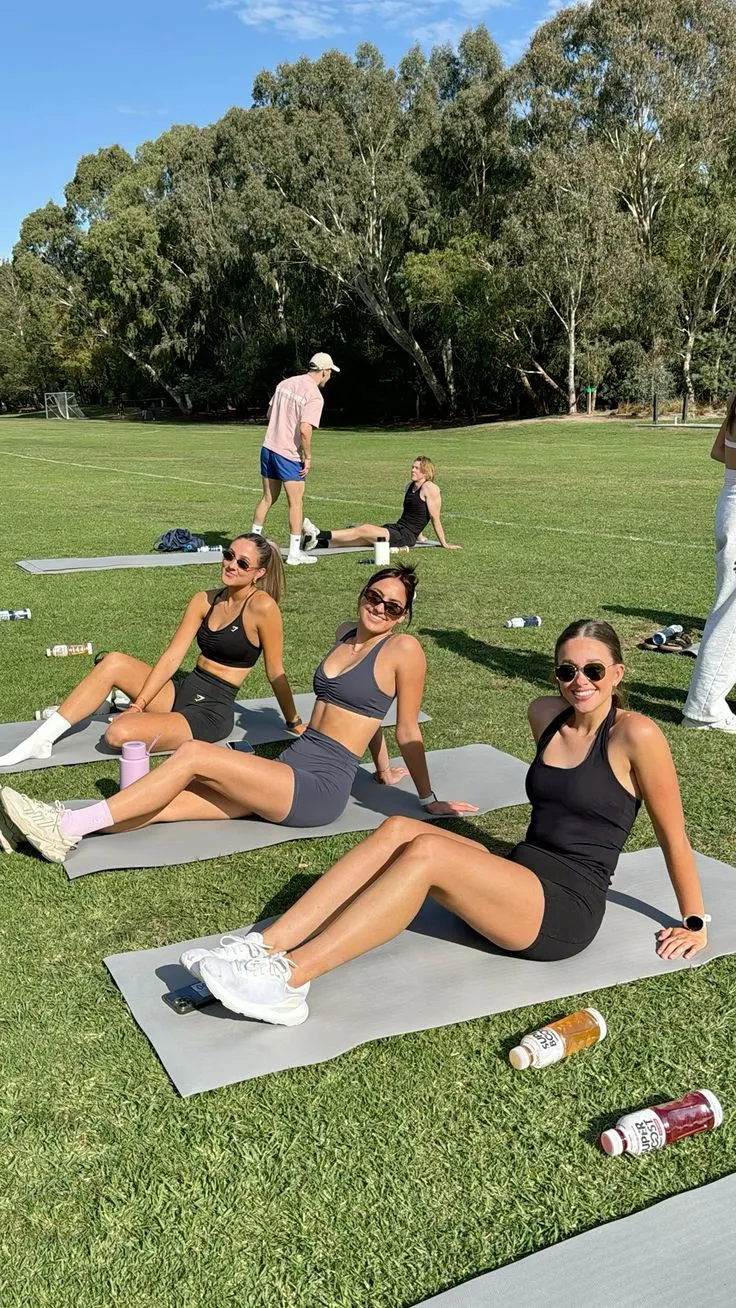
Leverage and Suspensions
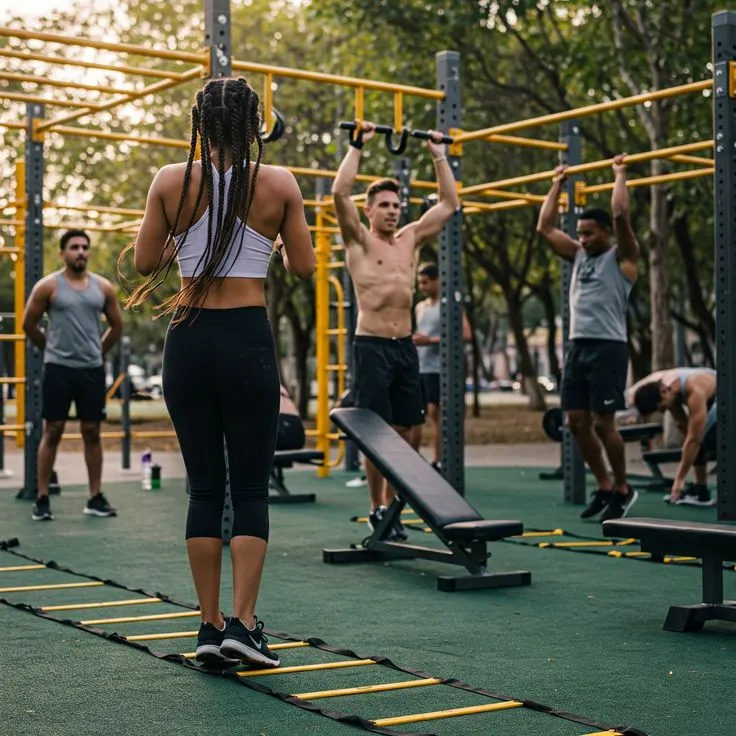
Movements where the body hangs from or pushes against fixed horizontal and vertical structures.
Pull Patterns
Vertical and horizontal pulling engages the latissimus dorsi, biceps, and forearm flexors through controlled scapular depression and retraction.
- Primary Joints
- Shoulder, elbow, wrist
- Force Vector
- Vertical anti-gravity
- Surface Types
- Bars, tree branches, ledges
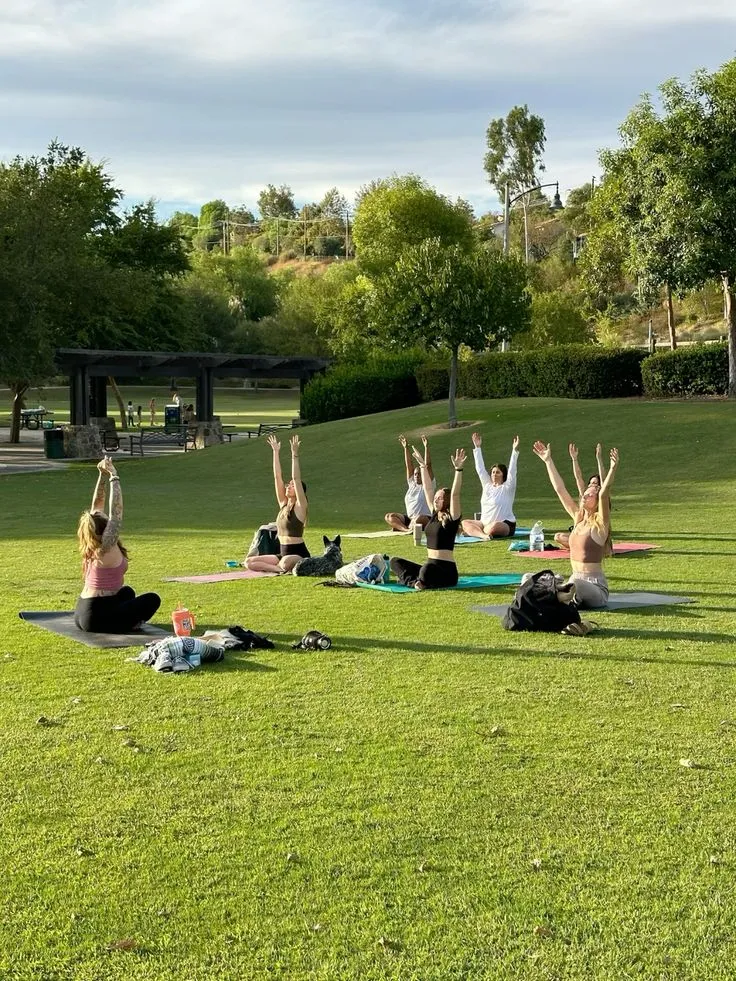
Spatial Locomotion Flows
Continuous ground-based movement sequences that transition between quadrupedal and bipedal patterns.
Flow Sequences
Animal flow and natural movement patterns link crawling, rolling, and transitioning postures into uninterrupted chains of motion across varied terrain.
- Primary Joints
- Spine, hip, shoulder complex
- Force Vector
- Multi-planar ground reaction
- Surface Types
- Grass, rubber, sand, asphalt
Explosive Ground Elasticity
Plyometric and power-based patterns that utilize stored elastic energy in tendons and connective tissue.
Ground Contact Mechanics
Jump variations, broad jumps, and bounding drills develop reactive strength through rapid eccentric-concentric muscle transitions.
Impact rating of the training surface directly affects joint loading. Our workshops document surface hardness for each outdoor location.
Applying the Directory
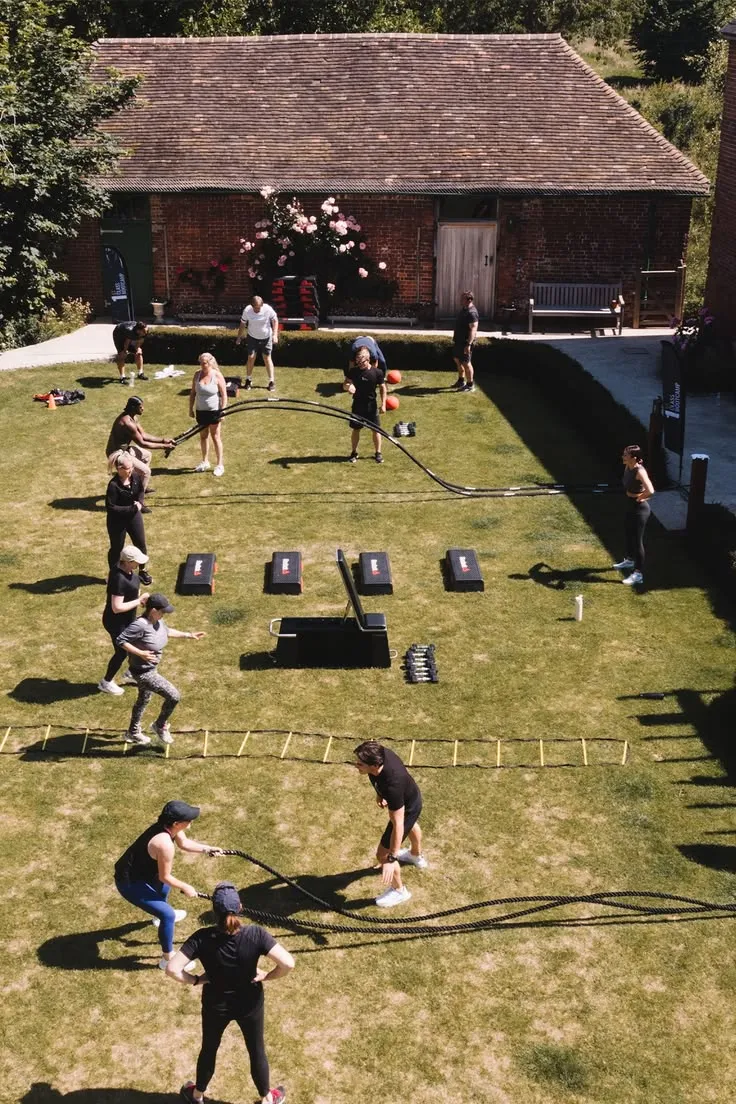
Each workshop session selects movements from one or more categories based on participant level and environmental conditions.

Instructors reference joint angle checkpoints during each drill, allowing participants to self-assess positioning against documented mechanical standards.
Use our force estimator on the homepage to preview how body angle changes relative load across these movement categories.
Open Force Estimator